Introduction to Remote IT Support and Digital Management
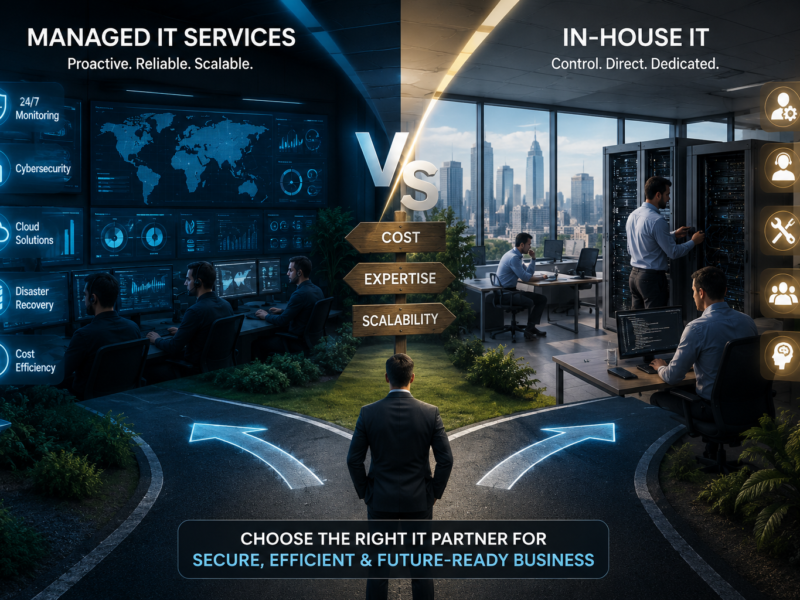
Remote IT support and digital management services have emerged as indispensable components in the operational strategies of modern businesses. As technology continues to evolve, organizations face an array of IT challenges that require immediate and effective solutions. Remote IT support is primarily characterized by the ability to provide assistance from a distance, enabling IT professionals to resolve issues without the need for physical presence on-site. This service model not only enhances efficiency but also significantly reduces downtime, which is crucial for maintaining productivity.
Digital management services encompass a broader scope, focusing on the administration and oversight of various technology-driven processes. These services include data management, cybersecurity, software updates, and network monitoring. By leveraging these solutions, businesses can ensure that their technological infrastructure operates seamlessly, allowing employees to focus on core activities rather than IT hassles.
The significance of remote IT support and digital management cannot be overstated in today’s fast-paced business landscape. With the increasing reliance on digital tools and platforms, businesses of all sizes require robust IT support to navigate complexities and maintain competitive advantages. Remote IT support services facilitate quicker problem resolution and proactive maintenance strategies, ensuring that systems remain operational and secure.
Furthermore, businesses that invest in digital management services are better equipped to harness the full potential of technology, enabling them to adapt to changing market demands and consumer preferences. Such services empower organizations to innovate and optimize their workflows, fostering a culture of efficiency and agility. Ultimately, remote IT support and digital management services play a vital role in shaping the future of business operations by enhancing reliability, promoting scalability, and driving overall success.
Benefits of Remote IT Support
Remote IT support offers numerous advantages that can significantly enhance the operational capacity of businesses. One of the primary benefits is its cost-effectiveness. Traditional on-site IT services often require substantial investment in personnel, travel expenses, and equipment. With remote IT support, businesses can utilize skilled professionals without incurring these extra costs. This allows organizations to allocate their resources more efficiently while ensuring access to expert assistance when needed.
Accessibility is another key advantage of remote IT support. Because services can be accessed through the internet, businesses can connect with IT support teams from anywhere, at any time. This means that even if an issue arises outside of regular business hours, support is readily available, ensuring minimal disruption. Employees can continue working effectively, thanks to the capabilities of remote management tools that facilitate quick resolution of technical problems.
Furthermore, remote IT support significantly improves response times. Technical issues can arise unexpectedly, and swift solutions are crucial to maintaining productivity. With remote support, IT professionals can diagnose and rectify problems immediately, rather than waiting for a technician to travel to the site. Such rapid response not only resolves issues faster but also minimizes downtime, thereby helping businesses maintain continuous operations.
Lastly, the efficiency created by utilizing remote IT support is quite notable. Remote management systems often include monitoring and maintenance tools that proactively identify potential issues before they escalate into major problems. By leveraging these solutions, organizations can enhance their overall system health and performance, ultimately leading to a more stable business environment. In this way, remote IT support services become an indispensable component for organizations striving to optimize their operations and stay competitive in a fast-paced digital landscape.
Common Challenges Addressed by IT Support Services
In today’s rapidly evolving business landscape, organizations frequently encounter various IT challenges that can impede productivity and threaten operational resilience. One prevalent issue is hardware failure, which can include faulty servers, malfunctioning workstations, or network outages. Remote IT support services are pivotal in swiftly diagnosing and resolving these hardware problems, often before businesses even recognize an issue. Through proactive monitoring and remote troubleshooting, IT support teams can identify potential hardware failures and implement effective solutions, minimizing downtime.
In addition to hardware concerns, software malfunctions are commonplace as well. Businesses rely on a myriad of applications to facilitate daily operations, and when software issues arise—such as crashes, compatibility problems, or system sluggishness—it can disrupt workflow and diminish efficiency. Remote IT support services excel in addressing these software challenges, permitting support teams to access systems remotely, perform updates, troubleshoot effectively, and restore functionalities without necessitating a physical presence.
Moreover, cybersecurity threats present significant risks to businesses, ranging from data breaches to ransomware attacks. Remote IT support services bolster an organization’s cybersecurity posture by implementing robust security measures, conducting regular system audits, and educating employees on best practices. Rapid response to potential threats ensures that businesses are not only prepared for cyber incidents but also equipped to mitigate risks effectively.
Lastly, data loss is a challenging occurrence that can have dire consequences for businesses. Whether due to accidental deletions, hardware failures, or cyberattacks, the loss of vital data can cripple operations. Remote IT support services can establish comprehensive data backup and recovery solutions to safeguard critical information, ensuring that businesses can recover quickly should data loss occur.
Digital Management Services Explained
Digital management services encompass a wide array of solutions designed to optimize business operations through technology. As organizations increasingly rely on digital frameworks, understanding the integral components of these services becomes vital. At the core are cloud services, which enable companies to store and manage their data over the Internet. Cloud solutions facilitate seamless access to information, streamline collaboration among teams, and significantly reduce costs associated with traditional IT infrastructure.
Data management plays a crucial role in digital management services. It involves not only the storage of data but also its organization, maintenance, and security. Implementing robust data management practices ensures that businesses can harness their data for actionable insights, compliance with regulations, and risk mitigation. Effective data management is essential for maintaining data integrity and optimizing decision-making processes.
Another critical aspect of digital management services is cybersecurity. As cyber threats continue to evolve, businesses must prioritize safeguarding their digital assets. Cybersecurity solutions encompass a range of measures, from firewalls and intrusion detection systems to employee training programs. Investing in comprehensive cybersecurity strategies protects sensitive information and enhances customer trust.
Finally, process automation stands out as a transformative element in digital management. By automating routine tasks, organizations can improve efficiency, reduce errors, and free up employee time for more strategic initiatives. Tools such as workflow automation software and robotic process automation facilitate the optimization of various business processes across departments.
In summary, digital management services are essential for modern businesses looking to enhance operational efficiency and maintain a competitive edge. By leveraging cloud services, effective data management, strong cybersecurity measures, and process automation, organizations can create a resilient digital environment tailored to their needs.
How Remote Support Works
Remote IT support is a modern approach that facilitates the efficient resolution of technical issues without the need for on-site visits. The process typically begins when a client encounters a problem, prompting them to reach out to their IT support team through various communication channels such as email, chat, or phone calls. This initial contact serves as the basis for understanding the nature of the issue at hand, allowing IT professionals to quickly assess the situation before any further action is taken.
Once the problem has been identified, the use of remote access tools is essential. These specialized software applications enable IT specialists to securely connect to the client’s device over the internet. This access allows professionals to conduct a thorough examination of the system, troubleshoot issues, install necessary software, or even perform updates without the geographical constraints associated with traditional IT support methods. Remote access tools often incorporate powerful features, including file transfer capabilities and session recording, further enhancing the support process.
In addition to remote access software, helpdesk software plays a critical role in remote IT support. This type of software streamlines the workflow by allowing technicians to efficiently track support requests, monitor ticket statuses, and manage response times. Helpdesk systems often integrate with remote access tools, creating a seamless experience for both the IT team and the client. This integration ensures that all pertinent information regarding the issue is documented, allowing for better follow-up and analysis of recurrent problems.
Effective communication remains a cornerstone of successful remote IT support. IT professionals often utilize messaging applications, video calls, and screen-sharing tools to enhance interaction with clients. This variety of communication channels ensures that clients can receive support in a manner that is most comfortable for them, while enabling technicians to provide clear instructions and guidance throughout the troubleshooting process.
In the rapidly evolving landscape of IT, the efficiency of remote support relies heavily on a suite of specialized tools and technologies designed to facilitate seamless communication between service providers and clients. One of the primary components of this landscape is remote desktop applications. Software such as TeamViewer, AnyDesk, and Microsoft Remote Desktop allows IT professionals to access a client’s computer as if they were physically present. This access enables them to troubleshoot issues, perform maintenance, and even install software directly, significantly reducing downtime.
Moreover, monitoring solutions play a crucial role in proactive IT management. Tools like Nagios, Zabbix, and SolarWinds not only keep track of system performance in real time but also alert technicians to potential issues before they escalate into major problems. By utilizing these monitoring tools, IT teams can ensure optimal performance and security, enhancing the overall stability of IT systems.
Support ticket systems further streamline remote IT support services by providing an organized approach to issue resolution. Platforms such as Zendesk, Freshdesk, and Jira enable businesses to manage incoming requests systematically. Ticketing systems track the status of each request, assign priority levels, and monitor resolution times, ensuring that no issue falls through the cracks. This clear structure not only improves response times but also helps in identifying recurring problems that may need addressing at a systemic level.
Other relevant technologies include collaboration tools like Slack and Microsoft Teams, which facilitate communication within IT teams and foster timely exchanges of information. Additionally, knowledge management systems can store valuable documentation and resources, empowering support teams to deliver quick and informed solutions. By integrating these tools and technologies, businesses can create a robust framework for effective remote IT support, ultimately leading to enhanced service efficiency and customer satisfaction.
Choosing the Right Service Provider
Selecting an appropriate service provider for remote IT support and digital management services is a critical decision that can significantly impact a business’s operational efficiency and overall success. To ensure a suitable match, organizations should consider several key criteria.
First and foremost, experience is paramount. A service provider with extensive industry experience is more likely to understand the unique challenges businesses face and can deliver solutions efficiently. Reviewing a provider’s track record, including the number of years in operation and the variety of services offered, can give businesses a clearer perspective on their suitability.
Next, it is vital to evaluate service level agreements (SLAs). SLAs should clearly define the expectations and standards of service, including response times, uptime guarantees, and the process for escalating issues. An agreement that aligns with a business’s operational goals ensures that timely support is readily available and helps mitigate potential risks associated with IT downtimes.
Customer reviews also play an essential role in the decision-making process. Analyzing feedback from current and previous clients can provide insights into the provider’s reliability, responsiveness, and overall customer satisfaction. Evaluating third-party review platforms can offer a balanced view, helping to identify any red flags or strong endorsements.
Finally, consider industry specialization. Certain service providers may focus on specific sectors, and their expertise can prove invaluable in addressing industry-specific challenges. A provider familiar with regulatory requirements and common operational hurdles in a given field is more capable of delivering tailored solutions that drive performance and compliance.
Future Trends in Remote IT Support and Digital Management
The landscape of remote IT support and digital management services is continually evolving, driven by technological advancements and changing business needs. One of the most significant trends shaping the future is the integration of artificial intelligence (AI) and machine learning into support systems. These technologies streamline processes, enhance problem-solving capabilities, and allow for predictive maintenance, which reduces downtime and improves efficiency. AI’s ability to analyze vast amounts of data helps identify patterns that can inform better decision-making, resulting in proactive not reactive responses to IT issues.
Automation also plays a crucial role in these services. By automating repetitive tasks, businesses can free up valuable resources and ensure that support teams can focus on more complex issues. This shift not only increases productivity but also enhances service quality. As organizations adopt automation tools, remote IT support becomes more efficient, allowing for quicker response times and improved customer satisfaction.
Additionally, the evolving needs of customers are influencing service offerings. Clients today expect round-the-clock support, personalized experiences, and comprehensive solutions that integrate smoothly with their existing systems. To meet these expectations, remote IT support services are leveraging advanced technologies to provide seamless experiences that are not only responsive but also adaptable to unique business requirements.
Moreover, the rise of remote work has prompted organizations to rethink their IT strategies. As businesses lean towards hybrid workplace models, the demand for secure and reliable remote IT support is more pronounced. This environment fosters innovation in security protocols and remote management tools, ensuring that sensitive data remains protected while enabling flexible work arrangements.
In conclusion, the future of remote IT support and digital management services is promising, driven by AI, automation, and a keen understanding of evolving customer expectations. Companies that embrace these trends will not only improve their service delivery but also position themselves as leaders in the competitive digital landscape.
Conclusion
In today’s fast-paced business environment, the significance of remote IT support and digital management services cannot be overstated. These services serve as the backbone of operational resilience, enabling organizations to navigate challenges efficiently. The ability to access IT support remotely means that businesses can continue their operations without unnecessary disruptions. This is particularly vital during unforeseen events such as natural disasters or sudden shifts to remote work.
Additionally, remote IT support positively impacts overall business efficiency. With swift issue resolution, companies can minimize downtime, thus enhancing productivity and maintaining a competitive edge. Furthermore, digital management services facilitate streamlined workflows and effective resource allocation, ultimately leading to a more agile business structure that can quickly adapt to changing market conditions.
The integration of these services fosters innovation and promotes a proactive culture within organizations. By leveraging remote IT support, businesses not only safeguard their operations but also empower their employees to achieve optimal performance, regardless of their location. This flexibility is crucial in a world where the dynamics of work are continuously evolving. The critical role that remote IT support and digital management services play in ensuring business continuity cannot be ignored, as they equip organizations with the tools needed to thrive amid challenges.
Ultimately, embracing remote IT support is not merely a trend; it is a necessary strategy for enduring success and resilience in the modern digital landscape. As businesses face increasing pressures and complexities, the commitment to robust IT solutions will be vital in sustaining their operations and ensuring long-term stability.