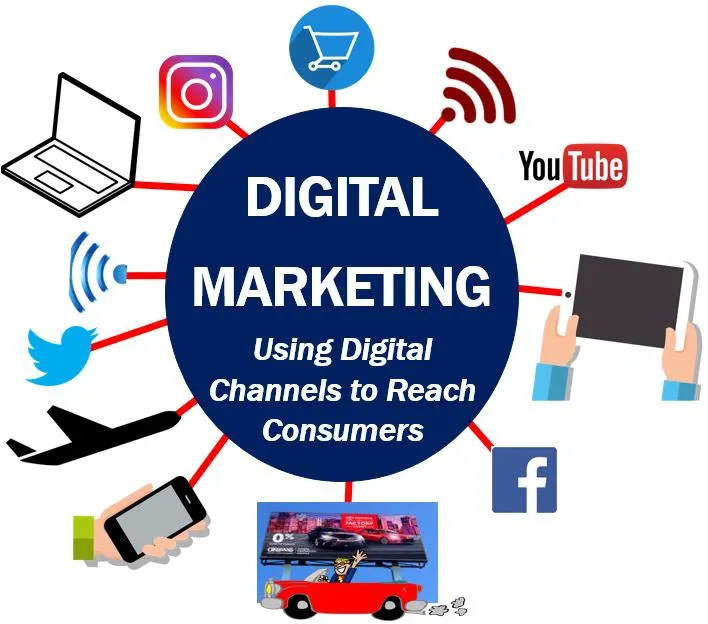
Digital marketing continues to evolve as new technologies, changing consumer behavior, and search engine updates reshape how businesses connect with customers. Companies that rely on outdated marketing strategies often struggle to remain competitive, while organizations that embrace innovation can increase brand awareness, generate qualified leads, and improve customer engagement. Staying informed about the latest Digital Marketing Trends has become essential for businesses of every size.
In 2026, artificial intelligence, automation, personalization, video marketing, voice search, and data-driven decision-making are expected to redefine digital marketing. Businesses are investing in smarter tools and modern strategies that deliver personalized experiences while improving campaign performance and return on investment.
This guide explores the most important Digital Marketing Trends shaping the future of online marketing and explains how businesses can use them to achieve sustainable growth.
Why Digital Marketing Continues to Evolve
Consumer expectations are changing rapidly. Modern customers expect personalized experiences, instant responses, relevant recommendations, and seamless interactions across multiple digital channels.
At the same time, search engines and social media platforms continue updating their algorithms to prioritize high-quality content and authentic user engagement.
Businesses that continuously adapt to these changes are better positioned to attract new customers, retain existing ones, and improve long-term profitability.
1. Artificial Intelligence Becomes Essential
Artificial intelligence remains one of the most significant Digital Marketing Trends in 2026.
AI-powered tools help marketers automate repetitive tasks, generate content ideas, optimize advertising campaigns, analyze customer behavior, and deliver personalized recommendations.
Businesses also use AI for chatbots, predictive analytics, customer segmentation, and email marketing automation, allowing teams to improve efficiency while delivering better customer experiences.
2. Personalized Customer Experiences
Generic marketing messages no longer produce the best results.
Modern consumers expect brands to understand their interests, preferences, and purchasing behavior. Personalization helps businesses recommend relevant products, customize email campaigns, and create targeted advertising that increases engagement.
Using customer data responsibly enables businesses to build stronger relationships and improve conversion rates.
3. Short-Form Video Content
Video continues to dominate digital marketing across multiple platforms.
Short-form videos attract attention quickly and generate high engagement on social media. Businesses use educational videos, product demonstrations, customer testimonials, behind-the-scenes content, and brand storytelling to connect with audiences.
Video marketing also improves brand visibility while supporting search engine optimization.
4. Voice Search Optimization
Voice-enabled devices continue becoming more common in homes, offices, and vehicles.
Consumers increasingly use voice assistants to search for products, services, local businesses, and information.
Businesses should optimize website content using conversational language, question-based keywords, and structured information to improve visibility in voice search results.
5. Marketing Automation
Marketing automation enables businesses to deliver timely and consistent customer communication.
Automated workflows manage email campaigns, customer follow-ups, lead nurturing, abandoned cart reminders, and social media scheduling without constant manual effort.
Automation improves efficiency while allowing marketing teams to focus on strategic initiatives.
6. First-Party Data Strategies
Privacy regulations and browser updates are changing how businesses collect customer information.
Organizations increasingly rely on first-party data gathered through websites, newsletters, customer accounts, surveys, and loyalty programs.
Using first-party data improves personalization while supporting compliance with evolving privacy standards.
7. Search Engine Optimization Remains Critical
SEO continues evolving alongside search engine algorithms.
Businesses should focus on publishing helpful content, improving website performance, optimizing mobile experiences, and strengthening technical SEO.
High-quality content, fast-loading pages, structured data, and user-friendly navigation remain important ranking factors in 2026.
8. Influencer Marketing Matures
Influencer marketing continues expanding beyond celebrity endorsements.
Many brands now collaborate with niche creators who have loyal audiences and high engagement rates.
These partnerships often generate authentic product recommendations while improving customer trust and brand awareness.
Businesses should prioritize long-term relationships with creators whose audiences align with their target market.
9. Omnichannel Marketing
Customers interact with businesses across multiple digital touchpoints.
Successful organizations create consistent experiences across websites, email, search engines, mobile apps, and social media platforms.
An integrated omnichannel strategy ensures customers receive consistent messaging regardless of where they engage with the brand.
10. Data-Driven Decision Making
Modern marketing relies heavily on analytics.
Businesses monitor website traffic, customer behavior, conversion rates, campaign performance, and return on investment to improve marketing decisions.
Interactive dashboards and reporting tools help marketers identify successful strategies while eliminating underperforming campaigns.
Benefits of Following Digital Marketing Trends
Keeping up with Digital Marketing Trends offers several important advantages.
Businesses can:
- Improve customer engagement.
- Increase website traffic.
- Generate higher-quality leads.
- Strengthen brand awareness.
- Improve advertising performance.
- Increase conversion rates.
- Reduce marketing costs.
- Build stronger customer relationships.
- Make data-driven decisions.
- Stay ahead of competitors.
Organizations that adapt quickly to new marketing technologies often achieve stronger long-term growth.
Challenges Businesses Should Consider
Although digital marketing provides tremendous opportunities, organizations also face several challenges.
Common obstacles include:
- Rapid technology changes
- Privacy regulations
- Increasing competition
- Rising advertising costs
- Content saturation
- Frequent search engine updates
- Data management complexity
- Measuring campaign effectiveness
Businesses should regularly review marketing strategies and adjust campaigns based on measurable performance.
Best Practices for Digital Marketing Success
Successful digital marketing begins with understanding customer needs.
Organizations should create valuable content, optimize websites for search engines, monitor analytics, test advertising campaigns, personalize customer communication, and maintain active engagement across digital channels.
Continuous optimization helps improve performance while supporting sustainable business growth.
The Future of Digital Marketing
The future of marketing will increasingly depend on artificial intelligence, predictive analytics, automation, immersive experiences, and privacy-focused customer engagement.
Businesses will continue using AI to personalize content, automate decision-making, optimize advertising, and improve customer support.
As technology continues evolving beyond 2026, organizations that embrace innovation while focusing on customer value will remain more competitive.
To learn more about digital marketing best practices and industry insights, visit the HubSpot Marketing Blog.