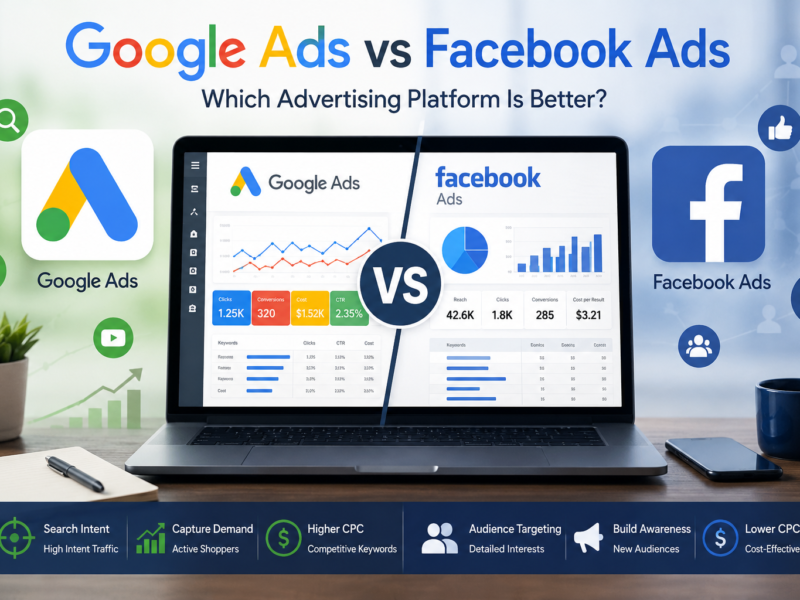
Introduction to Google Ads and Meta Ads
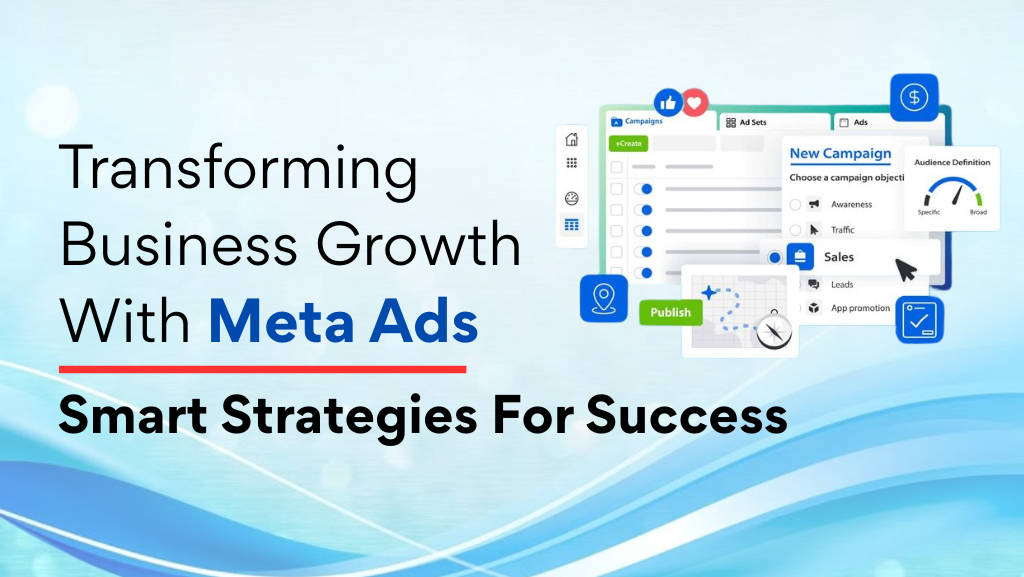
In the ever-evolving landscape of digital marketing, two platforms have stood out for their effectiveness in helping businesses connect with potential customers: Google Ads and Meta Ads. Formerly known as Facebook Ads, Meta Ads is part of a broader advertising ecosystem that includes Instagram, WhatsApp, and Messenger. Both platforms provide businesses with robust tools to create targeted advertising campaigns, making them integral components of any comprehensive marketing strategy.
Google Ads operates on a pay-per-click model, allowing businesses to display their advertisements on Google’s search results pages and its extensive network of partner websites. The core advantage of Google Ads lies in its ability to reach users who are actively searching for products and services, a feature that supports lead generation and conversion through high-intent queries. By leveraging keywords and phrases relevant to their offerings, businesses can ensure their ads reach a highly targeted audience when they are most likely to convert.
Conversely, Meta Ads harnesses the vast amount of data gathered from its social media platforms to enable businesses to target users based on their interests, behaviors, and demographics. This targeted approach allows brands to engage with audiences in more personalized ways, fostering brand awareness and generating potential leads through creative content and engaging formats. The visual nature of Meta Ads, incorporating video, carousel, and story formats, enhances the opportunity for businesses to resonate with their audience.
Ultimately, the combination of Google Ads and Meta Ads provides a powerful framework for businesses to maximize their reach and impact in the digital space. By utilizing both platforms effectively, businesses can create a balanced marketing approach, ensuring they capture potential customers at various stages of their buying journey.
The Benefits of Google Ads Management Services
Google Ads management services offer numerous advantages for businesses aiming to enhance their online presence and drive growth. One of the most significant benefits is the increased visibility in search results. By leveraging the vast reach of Google’s advertising platform, businesses can ensure that their ads appear prominently when users search for relevant keywords. This visibility is crucial for attracting potential customers who are actively searching for products or services similar to what a business offers.
Additionally, optimized ad spending is another crucial benefit provided by professional Google Ads management. Skilled campaign managers utilize advanced strategies to allocate budgets effectively, ensuring that each dollar spent contributes to achieving business objectives. This strategic spending not only maximizes exposure but also minimizes waste, resulting in a more efficient advertising campaign. By analyzing data and adjusting bids accordingly, seasoned managers help businesses attain better overall financial performance.
Enhanced targeting options further underscore the advantages of utilizing Google Ads management services. Advertisers can fine-tune their campaigns to reach specific demographics, geographic locations, and interests. Using detailed segmentation allows businesses to craft tailored messages that resonate more deeply with their target audience, ultimately leading to higher conversion rates. The capacity to reach the right audience at the right time transforms simple ads into powerful tools for engagement and sales.
Moreover, performance tracking is essential in the digital advertising landscape. Expert management services ensure that businesses have access to comprehensive analytics and reports that provide insights into campaign performance. This data enables companies to make informed decisions based on measurable outcomes, driving continuous improvement and ultimately leading to a better return on investment (ROI) for their advertising efforts. By understanding what works and what does not, businesses can refine their strategies to boost effectiveness.
Understanding Meta Ads and Their Advantages
Meta Ads, previously known as Facebook Ads, represents an integral part of modern digital marketing strategies. These ads leverage the extensive user base of Meta’s platforms, including Facebook and Instagram, enabling businesses to connect with potential customers effectively. One of the standout advantages of Meta Ads is their ability to engage in targeted advertising based on user behavior and interests. This feature allows companies to reach specific demographics that are more likely to convert into paying customers.
Targeting capabilities are built on an extensive understanding of user engagement patterns, demographics, and preferences derived from users’ interactions across Meta’s network. As a result, businesses can cater their advertisements to align with the preferences and behaviors of their defined audience segments. This precision not only enhances the chances of conversion but also helps in optimizing marketing spend by focusing resources on the most relevant potential customers.
Additionally, Meta Ads provide robust analytics tools that are invaluable for businesses. The detailed insights gathered through the platform enable companies to understand the effectiveness of their campaigns, track engagement metrics, and modify strategies in real-time. This data-driven approach allows marketers to refine their targeting further and improve their return on investment (ROI).
Furthermore, engagement metrics such as likes, shares, and comments on ads significantly contribute to community building and fostering brand loyalty. By encouraging interactions, Meta Ads create opportunities for businesses to develop deeper relationships with their audiences. Companies leveraging these ads can utilize creative content that resonates with users, encouraging not just visibility, but active engagement.
In summary, Meta Ads offer distinct advantages that can enhance overall marketing effectiveness. Their targeted engagement, comprehensive analytics capabilities, and potential for building meaningful interactions make them a powerful tool for any business looking to maximize growth and solidify its market presence.
Key Differences Between Google Ads and Meta Ads
Google Ads and Meta Ads represent two distinct avenues for businesses aiming to leverage digital marketing effectively. Understanding the core differences between these platforms is vital for any marketing strategy.
One of the primary differences between Google Ads and Meta Ads lies in their advertising formats. Google Ads predominantly utilizes text-based ads, display ads, and shopping ads, which are often shown to users actively searching for specific keywords. In contrast, Meta Ads (previously known as Facebook Ads) focuses on visually appealing formats, including image and video ads displayed in users’ feeds across platforms such as Facebook and Instagram. This visual-centric approach allows advertisers to capture attention even when users are not actively searching for products or services.
In terms of target audience characteristics, Google Ads typically targets users who exhibit intention through search queries, making it suitable for businesses looking to convert those already interested in their offerings. Meta Ads, however, employs advanced targeting techniques, enabling businesses to reach users based on demographics, interests, and behaviors. This unique capability makes Meta Ads ideal for brand awareness campaigns where the goal is to reach a broader audience or foster engagement.
Advertising goals also differ significantly between the two platforms. Google Ads is often utilized for direct response campaigns, aiming at immediate conversions such as sales or lead generation. On the flip side, Meta Ads can support a range of objectives, from brand awareness to engagement and conversions, depending on user behavior. Each platform has its unique use cases: businesses seeking to capture leads from users demonstrating explicit intent may favor Google Ads, whereas those looking to build brand visibility or community engagement might opt for Meta Ads.
By evaluating the distinct characteristics, advertising formats, audience types, and goals of these platforms, businesses can make informed choices that align with their marketing strategies.
Choosing the Right Ads Management Service for Your Business
Selecting the appropriate ads management service is crucial for businesses aiming to maximize their advertising return on investment. The decision-making process should be guided by several key factors that directly influence the effectiveness of advertising campaigns.
First and foremost, the expertise of the service provider should be assessed. A qualified ads management team typically possesses in-depth knowledge of both Google Ads and Meta Ads platforms. They should be well-versed in the latest trends and algorithm changes that could impact ad performance, ensuring that your campaigns remain competitive and effective.
Transparency is another pivotal element to consider. A reputable ads management service should be open about their strategies, objectives, and performance metrics. This transparency allows businesses to gauge how their advertising dollars are being utilized and understand the rationale behind specific campaign decisions.
Communication style is also vital; the chosen service should maintain clear and consistent communication. Evaluate how they respond to queries and how often they provide updates on campaign progress. A collaborative approach fosters a productive partnership, enabling businesses to voice their needs and goals, ultimately leading to better campaign results.
Reporting capabilities should not be overlooked. It is essential to choose a service that provides detailed and understandable reports on ad performance. This includes metrics such as click-through rates, conversion rates, and overall ROI. Comprehensive reporting will help businesses make informed decisions about future advertising strategies based on past performance.
Lastly, investigate the previous results achieved by the ads management service. Client testimonials and case studies often provide valuable insights into the provider’s efficacy and reliability. By analyzing past successes, businesses can better estimate the potential effectiveness of the service in achieving their advertising goals.
Strategies for Effective Google Ads Campaigns
To successfully maximize business growth via Google Ads, it is essential to implement effective strategies that resonate with the target audience while ensuring cost-efficiency. One of the foremost steps in this process is conducting thorough keyword research. This involves identifying relevant keywords that potential customers are likely to use when searching for products or services similar to what your business offers. Tools such as Google Keyword Planner can aid in discovering keyword volume, trends, and competition levels, allowing for informed decisions on which keywords to target.
Once the relevant keywords are identified, crafting compelling ad copy becomes crucial. Effective ad copy should clearly communicate what sets the product or service apart while incorporating a strong call-to-action (CTA). The ad’s language should resonate with the audience and encourage them to click through to your landing pages. A/B testing different versions of ad copy can provide insights into what messaging drives better performance, facilitating data-driven adjustments over time.
Landing page optimization is another pivotal aspect of running effective Google Ads campaigns. It’s important to ensure that the landing pages align closely with the ad content and provide a seamless user experience. Factors such as load time, mobile compatibility, and clear navigation can significantly affect conversion rates. Utilizing tools for heat mapping can help analyze user interactions on landing pages, providing additional data to enhance performance.
Lastly, incorporating A/B testing methodologies not only in ad copy but also across landing pages is vital for iterating on ad campaigns. By systematically testing variations of both elements, businesses can fine-tune their approach based on performance analytics. This iterative process allows for continuous improvement, ensuring that the campaigns remain effective over time.
Optimizing Your Meta Ads for Better Results
In order to enhance the performance of your Meta Ads, implementing robust optimization strategies is crucial. One of the primary areas to focus on is audience segmentation. By identifying distinct audience groups based on demographics, interests, and behaviors, businesses can tailor their ad campaigns to resonate better with each segment. For instance, a campaign targeted towards young adults may utilize different messaging and visuals compared to one aimed at professionals. Utilizing the rich data available through Meta’s audience insights can significantly refine targeting efforts and improve engagement rates.
Another important aspect of optimizing Meta Ads involves creative content development. High-quality visuals and compelling storytelling are essential for capturing users’ attention. Ads should not only be visually appealing but also deliver a clear message that aligns with the interests of the targeted audience. Experimentation with various ad formats, such as carousel ads or video ads, can provide insights into which type of content yields the best results.
Ad placement variations are also a vital component to consider. Knowing where your ads will appear, whether on the Facebook newsfeed, Instagram stories, or within the Audience Network, can influence ad effectiveness. Testing different placements and analyzing their performance can help identify the most fruitful environments for your ads.
To optimize performance continually, it is important to engage in constant monitoring of ad metrics. Tracking key performance indicators, such as click-through rates, conversions, and return on ad spend, allows marketers to make data-driven decisions. Regularly updating ad creatives based on performance metrics can further enhance ad efficacy, ensuring that the content remains fresh and relevant.
Measuring and Analyzing Ad Performance
Effective measurement and analysis of ad performance are crucial for optimizing advertising strategies on both Google Ads and Meta Ads platforms. Understanding how to track key performance indicators (KPIs) and interpret data analytics allows businesses to refine their approach and maximize growth potential.
When evaluating performance, several KPIs should be considered. These include click-through rates (CTR), conversion rates, cost per acquisition (CPA), and return on ad spend (ROAS). Each of these metrics provides insight into how well an advertising campaign is executing its objectives. For instance, a high CTR indicates that the ad is effectively engaging the target audience, while a low conversion rate may suggest that improvements are needed either in the landing page or in the alignment of the ad’s messaging with customer expectations.
Data analytics play a fundamental role in uncovering the effectiveness of ad campaigns. Both Google Ads and Meta Ads offer robust analytical tools that generate comprehensive reports demonstrating relevant performance data. By leveraging these tools, businesses can track trends over time and identify patterns in consumer behavior, ultimately enabling them to adapt their strategies accordingly. For example, analyzing audience insights from Meta Ads can reveal demographic trends or preferences that inform future creatives or targeting strategies.
To ensure that businesses have access to insightful performance assessments, various third-party tools can augment the built-in capabilities of Google and Meta platforms. Tools such as Google Analytics, HubSpot, or SEMrush provide expanded features that allow for deeper dives into data, facilitating a more thorough analysis. Utilizing these resources will enable businesses to gain a competitive edge by continuously refining their ad strategies based on concrete performance data, thus maximizing their advertising investments.
Conclusion and Future Trends in Online Advertising
In conclusion, the effectiveness of Google Ads and Meta Ads management services cannot be overstated when it comes to driving business growth. Businesses that harness these digital advertising tools gain significant advantages, including precise targeting, measurable results, and the ability to adapt campaigns in real-time. The importance of maintaining a robust online presence through effective ad management strategies is crucial for any business aiming to excel in today’s competitive landscape.
As we look towards the future, several trends in online advertising are emerging that businesses should consider to remain competitive. The use of artificial intelligence (AI) for optimizing ad campaigns is on the rise, enabling more personalized customer interactions and enhanced targeting capabilities. By leveraging AI, businesses can efficiently analyze consumer behavior and preferences, ensuring that their ads resonate with the intended audience.
Furthermore, the growing emphasis on data privacy is shaping how ads are managed. With stricter regulations and increased consumer awareness, businesses must prioritize transparent practices while still delivering impactful advertisements. This shift towards respecting user privacy will ultimately benefit brands that commit to ethical advertising strategies.
The shift towards video and interactive content in online advertising also signifies a noteworthy trend. As consumers increasingly engage with visual content across platforms like Instagram and YouTube, businesses should consider integrating these formats into their advertising strategies. Engaging content not only captures attention but also fosters stronger connections with potential customers.
Overall, adapting to these trends while effectively managing Google Ads and Meta Ads will remain essential for businesses seeking sustainable growth. By staying abreast of industry changes and incorporating innovative strategies, businesses can maximize the return on their advertising investments and achieve long-term success.